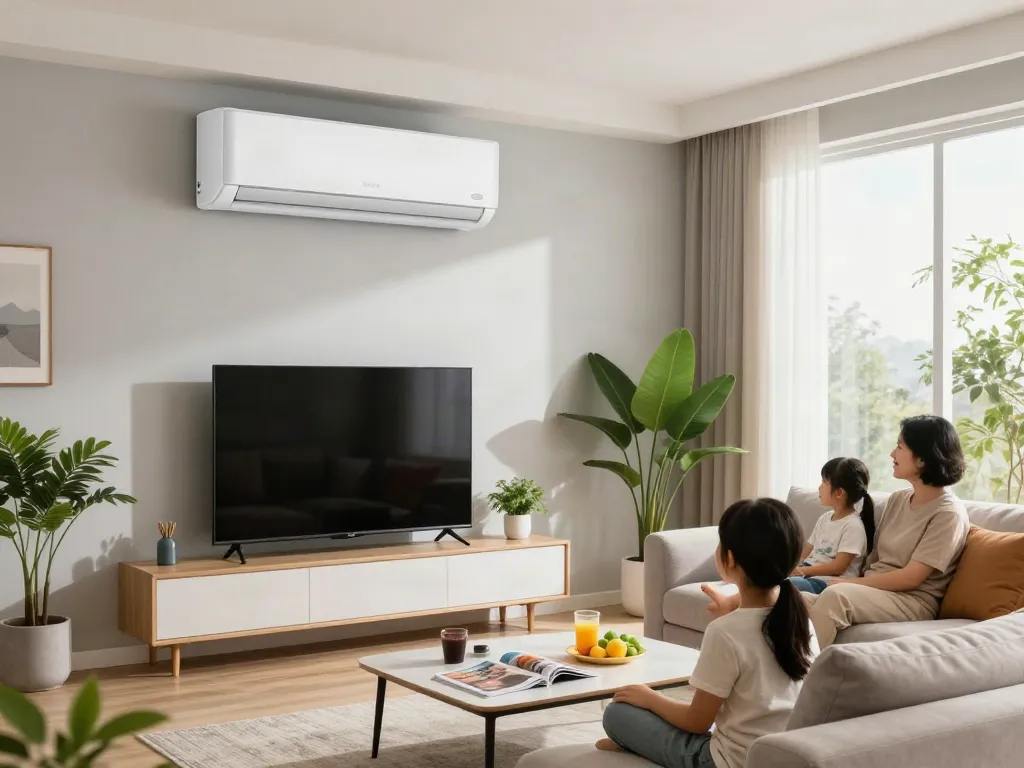
Understanding Split AC Units
When it comes to enhancing indoor comfort, especially during the sweltering summer months, a split ac unit emerges as a top contender. These systems not only provide effective cooling but also come with a host of features that make them an attractive choice for both residential and commercial spaces. This article explores the fundamentals of split AC units, their operational mechanics, and the advantages they bring, ensuring that readers are well-informed before making a purchasing decision.
What is a Split AC Unit?
A split AC unit is a type of air conditioning system that consists of two main components: an outdoor unit and an indoor unit. The outdoor unit houses the compressor and condenser, while the indoor unit contains the evaporator. This design allows for efficient heat exchange and cooling without the need for bulky ductwork. Split AC units are often referred to as ductless systems, making them ideal for homes where traditional ducting is impractical or impossible.
How Split AC Units Work
Split AC units operate on the principles of refrigeration. The basic cycle involves the absorption of heat from the indoor air, which is then expelled outside. Here’s a step-by-step breakdown of how a split AC unit works:
- Evaporation: The indoor unit draws warm air from the room over the evaporator coil filled with refrigerant. The refrigerant absorbs the heat, causing it to evaporate into a gas.
- Compression: The compressor in the outdoor unit compresses this gas, raising its pressure and temperature.
- Condensation: The hot, high-pressure gas passes through the condenser coils in the outdoor unit, where it releases its heat to the outside air and condenses back into a liquid.
- Expansion: The liquid refrigerant then travels back to the indoor unit via an expansion valve, lowering its pressure and temperature before entering the evaporator coil again.
Benefits of Using a Split AC Unit
Split AC units offer several advantages over traditional air conditioning systems:
- Energy Efficiency: These systems typically consume less energy than window units and central systems, leading to lower utility bills.
- Quieter Operation: Since the noisy compressor is located outside, split AC units operate much more quietly than window-mounted air conditioners.
- Space-Saving Design: The compact nature of split AC units allows them to fit into spaces where traditional systems cannot.
- Zoned Cooling: Multiple indoor units can be connected to a single outdoor unit, enabling precise temperature control in different areas of a home or office.
Choosing the Right Split AC Unit
With a plethora of options available, selecting the right split AC unit can be daunting. Here are some critical factors to consider before making your purchase:
Factors to Consider Before Purchase
When shopping for a split AC unit, it’s essential to evaluate your specific cooling needs. Key factors include:
- BTU Rating: The British Thermal Units (BTU) rating indicates the cooling capacity of the unit. Selecting the right size is crucial; a unit that's too small will struggle to cool the space, while one that’s too large will cycle on and off too frequently, reducing efficiency.
- Energy Efficiency: Look for units with a high Seasonal Energy Efficiency Ratio (SEER) rating, which indicates better efficiency and helps in reducing energy costs.
- Installation Location: Consider where you plan to install the unit. Space and accessibility will affect the installation process and ultimately impact your cooling efficiency.
- Features: Many split AC units come equipped with features such as programmable thermostats, wireless remotes, and integrated air purification, enhancing comfort and convenience.
Energy Efficiency Ratings Explained
Energy efficiency ratings are essential when choosing a split AC unit, as they indicate how much cooling you can get per unit of electricity consumed. The key metrics to understand include:
- SEER (Seasonal Energy Efficiency Ratio): Higher SEER ratings imply better energy efficiency. Units with a SEER rating of 16 or higher are often recommended.
- EER (Energy Efficiency Ratio): This rating measures a unit's efficiency based on its cooling capacity and electricity consumption at a specific outdoor temperature.
- Energy Star Certification: Look for units that are Energy Star-certified, which means they meet stringent efficiency guidelines set by the Environmental Protection Agency.
Best Brands and Models for 2026
As the market evolves, several brands stand out for their innovation, reliability, and customer satisfaction. Some of the best split AC unit brands for 2026 include:
- Daikin: Known for its advanced inverter technology and energy efficiency.
- Mitsubishi Electric: Offers robust performance and a range of models tailored for different environments.
- LG: Features smart technology integration and stylish designs.
- Fujitsu: Renowned for its reliability and performance in extreme climates.
Installation Process for Split AC Units
The installation of a split AC unit can be a complex task that may require professional assistance. However, understanding the process can help homeowners make informed decisions:
DIY vs Professional Installation
While some homeowners may consider installing their split AC units themselves to save money, it’s often best to hire a professional installer. Here’s why:
- Technical Complexity: The installation requires knowledge of electrical systems, refrigerant handling, and precise measurements.
- Warranty Issues: Many manufacturers void warranties if the unit is not installed by a licensed technician.
However, if you choose to undertake a DIY installation, ensure to follow the manufacturer's instructions closely and adhere to local building codes.
Installation Costs and Considerations
The cost of installing a split AC unit can vary widely based on several factors:
- Labor Costs: Hiring a professional can range from $500 to $1500 depending on the complexity of the installation.
- Unit Type and Size: Larger units with additional features typically cost more to install.
- Location and Accessibility: Difficult-to-reach installation locations may increase labor costs.
Common Installation Mistakes to Avoid
There are several pitfalls to be aware of when installing a split AC unit:
- Incorrect Sizing: Failing to choose the right size can lead to inefficiency or inadequate cooling.
- Poor Placement: Installing the indoor unit in a location that doesn't allow for optimal airflow can undermine performance.
- Ignoring Local Codes: Not adhering to local regulations can result in fines or required re-installation.
Maintenance and Care for Split AC Units
To ensure your split AC unit operates efficiently throughout its lifespan, regular maintenance is crucial. Here are some maintenance tips:
Regular Maintenance Tips and Tricks
Implementing a routine maintenance schedule can extend the life of your unit:
- Filter Cleaning: Clean or replace filters monthly to maintain airflow and efficiency.
- Coil Maintenance: Inspect and clean the evaporator and condenser coils regularly to prevent dust and debris buildup.
- Drain Line Clearing: Check and clean the condensate drain line to prevent blockages and water damage.
Signs Your Split AC Unit Needs Repair
Being aware of the signs that your split AC unit is not functioning properly can save you from costly repairs:
- Inconsistent Temperature: If the unit is unable to maintain a consistent temperature, it may be a signal of a refrigerant leak or mechanical issue.
- Noisy Operation: Unusual noises can indicate a problem with the compressor or blower fan.
- Higher Energy Bills: A sudden spike in energy costs without a change in usage can suggest inefficiency due to malfunction.
Seasonal Preparation for Optimal Performance
Before the onset of summer, ensure your split AC unit is ready for the heat:
- Pre-Season Inspection: Conduct a thorough check-up before summer usage.
- Schedule Professional Maintenance: Consider hiring a technician for a comprehensive service check-up to catch potential issues early.
Future Trends in AC Technology
As technology progresses, the HVAC industry is witnessing exciting advancements that are shaping the future of air conditioning:
Innovations in Smart AC Systems
Smart technology is increasingly integrated into split AC units, allowing for more convenient control:
- Smart Thermostats: Many split AC units now feature programmable and smartphone-controlled thermostats, enabling users to manage settings remotely.
- Energy Monitoring: Some models provide real-time energy consumption statistics, helping homeowners make more informed energy decisions.
The Role of Eco-Friendly Technologies
With a growing emphasis on sustainability, the HVAC industry is leaning toward environmentally friendly technologies:
- Refrigerants: Innovations in refrigerants aim to reduce ozone depletion and global warming potential.
- Recycling Initiatives: Manufacturers are increasingly focused on sustainability throughout the product lifecycle, from production to disposal.
Predictions for the HVAC Industry by 2026
As we look toward 2026, several trends are likely to shape the HVAC landscape:
- Increased Demand for Ductless Systems: The market for split AC units is expected to grow as more homeowners seek energy-efficient and adaptable cooling solutions.
- Advancements in AI: The incorporation of artificial intelligence to predict and adapt to user preferences will enhance overall comfort and efficiency.
What are the advantages of a split AC unit?
Split AC units offer several advantages, including energy efficiency, quiet operation, and the ability to provide zoned cooling. They are also space-saving and highly customizable.
How much does it cost to install a split AC unit?
The installation cost for a split AC unit typically ranges from $500 to $1500, depending on the complexity of the installation and local labor rates.
What maintenance is required for a split AC unit?
Key maintenance tasks include regular cleaning or replacing filters, inspecting coils, and ensuring the drain line is clear.
Are split AC units more energy-efficient than traditional units?
Yes, split AC units are generally more energy-efficient than traditional window-mounted air conditioners and central systems, leading to lower energy bills.
What are the common problems with split AC units?
Common issues can include inconsistent cooling, refrigerant leaks, and noisy operation, often requiring professional attention for resolution.