



Understanding Gauze Roll Basics for Effective Wound Care
The importance of proper wound care cannot be overstated, and one of the essential tools in a healthcare provider’s arsenal is the gauze roll. This versatile medical supply plays a crucial role in promoting healing and preventing infections. In this comprehensive article, we will explore the various aspects of gauze rolls, including their applications, types, benefits, and the latest innovations in materials and techniques. For healthcare professionals and patients alike, understanding how to effectively use gauze rolls can lead to better wound management outcomes. When exploring options, gauze roll provides comprehensive insights into effective wound care practices.
What is a Gauze Roll and Its Uses?
A gauze roll is a long, thin strip of fabric, typically made from woven cotton or a blend of synthetic materials, that is designed for use as a dressing in wound care. Its primary uses include:
- Covering wounds to protect them from contaminants
- Absorbing exudate from the wound
- Securing other dressings in place
- Providing compression to control bleeding
Gauze rolls can be used in a variety of settings, from hospitals and clinics to home care environments. They are suitable for treating a wide range of wounds, including surgical incisions, abrasions, and chronic wounds like ulcers.
Types of Gauze Rolls: A Comprehensive Overview
Gauze rolls come in several different types, each designed for specific applications:
- Plain Gauze Rolls: Made from absorbent cotton, these are the most common type and are suitable for a wide range of wound care tasks.
- Non-Adherent Gauze Rolls: These rolls are coated with a substance that prevents them from sticking to the wound, making them ideal for painful or sensitive areas.
- Antimicrobial Gauze Rolls: Treated with antimicrobial agents, these gauze rolls help reduce the risk of infection in wounds.
- Hydrogel Gauze Rolls: Infused with moisture, these rolls are designed for use in moist wound healing environments, promoting faster healing.
Key Benefits of Using Gauze Rolls in Healthcare
Utilizing gauze rolls in wound care provides numerous advantages, including:
- Versatility: Gauze rolls can be used for various wound types and sizes, making them a staple in any medical setting.
- Cost-Effectiveness: Compared to other advanced wound care products, gauze rolls are relatively inexpensive and easily accessible.
- Ease of Use: They can be easily applied and adjusted, making them ideal for both professional healthcare providers and patients managing their own wounds.
Essential Techniques for Proper Gauze Roll Application
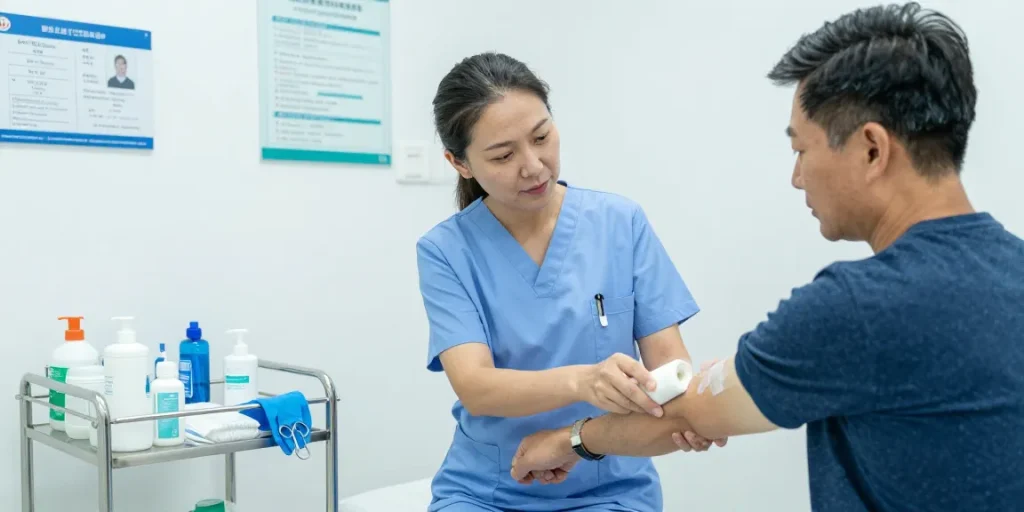
Proper application of gauze rolls is critical for effective wound care. Below are essential techniques to ensure optimal results.
Step-by-Step Guide to Applying a Gauze Roll
Applying a gauze roll involves several steps:
- Clean the Wound: Thoroughly clean the wound area with a sterile saline solution or appropriate wound cleanser.
- Dry the Area: Gently pat the area dry with a sterile cloth or gauze pad.
- Position the Gauze Roll: Start at one end of the wound and place the gauze roll over it, allowing it to overlap slightly.
- Wrap Securely: Gently wrap the gauze around the wound, ensuring it applies even pressure without being overly tight.
- Secure the End: Use tape or another securing method to ensure the gauze roll stays in place.
Common Mistakes to Avoid During Application
To ensure successful wound management, avoid these common mistakes:
- Applying the gauze too tightly, which can restrict blood flow.
- Failing to clean the wound properly before application.
- Using an inappropriate type of gauze for the specific wound.
Best Practices for Securing Gauze Rolls Effectively
Securing gauze rolls correctly is just as important as their application. Here are some best practices:
- Use hypoallergenic tape to minimize irritation for sensitive skin.
- Check the wound and gauze regularly to ensure it remains clean and dry.
- Change the gauze according to your healthcare provider’s recommendations or if it becomes wet or soiled.
Innovative Trends in Gauze Roll Quality and Materials
The world of medical supplies is ever-evolving, and gauze rolls are no exception. Recent advancements in materials and technology have led to improved products.
Emerging Materials: The Future of Gauze Rolls
Innovation in gauze roll materials is aimed at enhancing functionality. Emerging materials include:
- Biodegradable Fabrics: Made from natural fibers, these options are environmentally friendly while maintaining efficacy.
- Synthetic Blends: Combining materials for improved absorbency and flexibility, making them more versatile.
Comparative Analysis of Traditional vs. Modern Gauze Rolls
There is a significant difference between traditional gauze rolls and their modern counterparts:
- Absorption Rate: Modern gauze rolls often have enhanced absorption capabilities, which means they can manage exudate more effectively.
- Adhesive Properties: Newer materials may have improved adhesive properties, allowing for better adherence without the discomfort of removal.
Impact of Technology on Gauze Roll Production
Technological advancements are also transforming the production processes of gauze rolls:
- Automated manufacturing increases consistency and reduces the risk of contamination.
- Innovative sterilization techniques ensure that gauze rolls are free from pathogens.
Patient Education: Empowering Through Knowledge
Empowering patients with knowledge about wound care and the use of gauze rolls is crucial for effective management. Here’s how to educate them effectively.
How to Educate Patients on Wound Care
Patient education should include discussions on:
- The importance of maintaining cleanliness around the wound.
- Recognizing signs of infection, such as increased redness or discharge.
- When to change the gauze and how to do it properly.
Addressing Common Patient Concerns About Gauze Rolls
Patients often have concerns regarding the use of gauze rolls, such as:
- Will it hurt to remove the gauze?
- How often do I need to change the gauze?
Addressing these concerns promptly will help alleviate anxiety and encourage compliance with treatment.
Real-World Case Studies: Successful Patient Outcomes
Sharing case studies where proper gauze roll application led to successful wound healing can inspire confidence in patients and healthcare professionals. Such case studies often highlight:
- Improved healing times with consistent gauze roll usage.
- Positive patient experiences and feedback on their treatment journey.
Measuring Success: Gauze Roll Application Metrics
To ensure effective wound management, monitoring the application of gauze rolls is essential. Key performance metrics include:
Key Performance Indicators for Gauze Roll Usage
Some important KPIs for gauze roll usage in healthcare settings include:
- Patient recovery time.
- Rate of infection occurrence.
- Patient satisfaction with the wound care process.
Strategies for Continuous Improvement in Wound Care
Implementing strategies for continuous improvement involves:
- Regular training for healthcare staff on the latest gauze roll techniques.
- Seeking patient feedback for refining wound care practices.
Future Trends in Gauze Roll Application and Healthcare 2026
The future of gauze roll application in healthcare involves adapting to emerging needs, such as:
- Increased demand for customizable gauze rolls tailored to specific types of wounds.
- Integration of telehealth solutions to monitor wound care remotely and offer guidance.
What are the main types of gauze rolls?
The main types include plain gauze rolls, non-adherent gauze rolls, antimicrobial gauze rolls, and hydrogel gauze rolls, each serving different needs in wound care.
How do you properly apply a gauze roll?
Proper application involves cleaning the wound, drying the area, positioning the gauze roll, wrapping it securely, and securing the end appropriately.
What are the benefits of using gauze rolls in treatment?
Benefits of using gauze rolls include versatility, cost-effectiveness, and ease of application, making them ideal for various wound care scenarios.
How can patients care for their gauze rolls at home?
Patients should maintain cleanliness, change the gauze as directed, and monitor for signs of infection while applying the gauze roll correctly.
What innovations are being made in gauze roll materials?
Recent innovations include biodegradable fabrics and synthetic blends, which enhance usability while considering environmental impacts.



More Stories
Breaking Down the Latest Sports Therapy Burlington Techniques for Enhanced Recovery
How to Set Up Effective Sports Therapy Burlington Strategies Step by Step in 2026
Understanding the Impact of Nutrition on Mental Health