




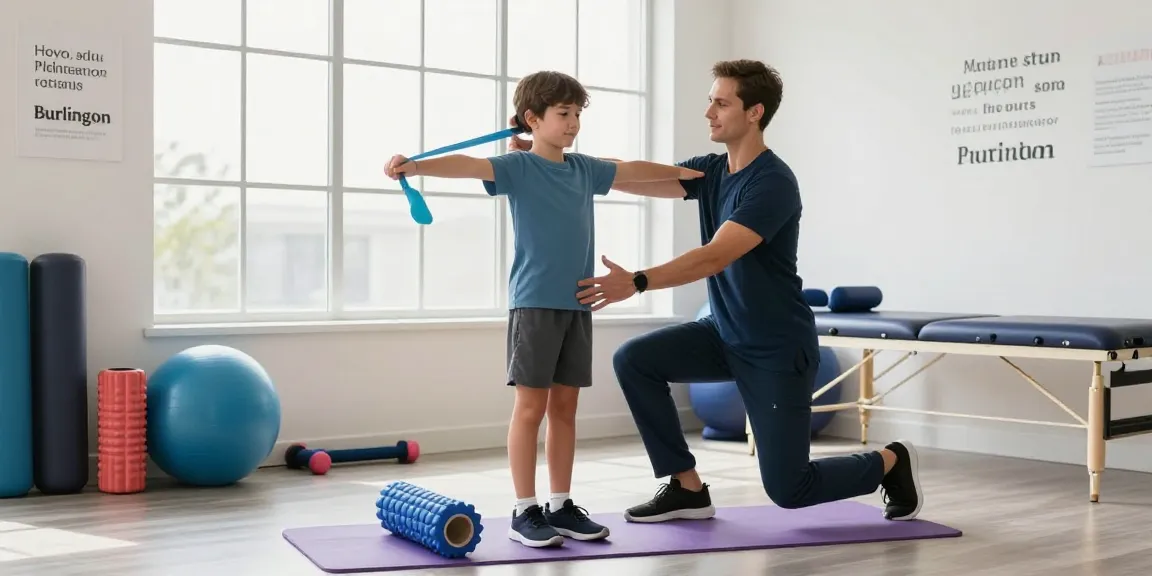
Understanding Sports Therapy in Burlington
Sports therapy plays a pivotal role in the recovery and enhancement of athletic performance for individuals involved in physical activities, from amateur enthusiasts to professional athletes. In Burlington, the demand for effective sports therapy has surged, driven by a growing awareness of the importance of maintaining physical health and preventing injuries. Individuals seeking to optimize their performance or recover from sports-related injuries can find valuable resources and support through various local clinics and professionals. When exploring options, Sports therapy burlington offers comprehensive insights designed to meet diverse athletic needs.
What is Sports Therapy?
Sports therapy is a specialized form of physical therapy that focuses on the prevention, diagnosis, treatment, and rehabilitation of sports-related injuries and issues. It combines principles from various disciplines, including exercise science, biomechanics, and physiotherapy, to ensure that athletes are not only treated effectively but also encouraged to reach their performance potential. This therapy can involve manual therapy techniques, exercise prescription, and education on injury prevention, helping clients recover swiftly and effectively.
Benefits of Sports Therapy for Athletes
- Injury Recovery: Sports therapy aids in reducing recovery time after injuries, allowing athletes to return to their sport safely.
- Improved Performance: By addressing physical issues and optimizing biomechanics, athletes can enhance their overall performance.
- Injury Prevention: Strengthening and conditioning exercises help prevent common sports injuries.
- Personalized Care: Treatment plans can be customized based on an athlete’s specific needs, sport, and goals.
- Enhanced Flexibility and Mobility: Techniques used in sports therapy promote increased flexibility and range of motion, essential for optimal athletic performance.
Common Techniques Used in Sports Therapy
Sports therapists utilize a variety of techniques based on the specific needs of athletes. Some common methods include:
- Manual Therapy: Hands-on techniques to manipulate muscles and joints to relieve pain and improve mobility.
- Therapeutic Exercise: Tailored exercise programs designed to strengthen muscles, restore function, and enhance athletic performance.
- Ultrasound Therapy: Employing sound waves to promote tissue healing and reduce inflammation.
- Electrical Stimulation: Using electrical impulses to facilitate muscle contraction and enhance recovery.
- Taping Techniques: Application of kinesiology tape to support muscles and joints during the healing process.
Assessing Your Needs for Sports Therapy
Identifying Specific Sports Injuries
Understanding the specific injuries or conditions you are facing is crucial for effective sports therapy. Common sports injuries include sprains, strains, tendonitis, and stress fractures. Identifying these issues accurately allows for a tailored treatment plan that addresses the root cause of the pain rather than just the symptoms.
Evaluating Your Current Physical Condition
An initial assessment by a sports therapist often includes evaluating your physical condition, focusing on strength, flexibility, and overall functional capacity. This assessment provides a benchmark for measuring progress throughout the therapy process and helps in formulating an individualized rehabilitation plan.
Setting Personal Therapy Goals
Setting clear, realistic goals is an essential part of the sports therapy process. Goals may include returning to a specific activity, achieving a certain level of physical fitness, or managing pain effectively. Collaborating with a sports therapist to establish these objectives ensures that all efforts are aligned and focused on achieving the desired outcomes.
Finding the Right Sports Therapy Clinic in Burlington
Researching Local Clinics and Therapists
Finding a reputable sports therapy clinic starts with researching local options. Look for clinics that specialize in sports therapy and have practitioners with relevant experience and qualifications. Online reviews and testimonials can also provide insight into the effectiveness of the clinic’s services.
What to Look for in a Sports Therapist
- Qualifications: Ensure the therapist is licensed and has specialized training in sports therapy.
- Experience: Look for a therapist with experience treating sports injuries specific to your activity or sport.
- Approach: Consider their approach to treatment—whether they focus on manual therapy, exercise rehabilitation, or a combination of techniques.
- Communication: Effective communication is vital; choose a therapist who listens to your concerns and explains their methods clearly.
Questions to Ask Before Starting Treatment
Before commencing treatment, it is important to ask potential therapists specific questions to ensure they meet your needs:
- What is your experience with my specific injury?
- What techniques do you typically use for treatment?
- How do you measure progress during therapy?
- What are the expected outcomes and timelines for my rehabilitation?
- Will you be available for follow-up consultations as needed?
Implementing Sports Therapy Techniques
Rehabilitation Exercises for Recovery
Rehabilitation exercises form the cornerstone of recovery in sports therapy. Customized exercise plans aim to restore strength, flexibility, and endurance. These may involve:
- Strength Training: Building muscle strength around the injury site to support recovery.
- Stretching Exercises: Enhancing flexibility to improve range of motion and prevent future injuries.
- Functional Training: Simulating movements related to your sport to ensure readiness for return to play.
Injury Prevention Strategies
Preventing injuries requires proactive strategies that include ongoing strength and conditioning work, proper warm-up and cool-down routines, and education on safe techniques for your specific sport. A sports therapist can provide invaluable guidance on these practices.
Incorporating Therapy into Your Training Regimen
Integrating sports therapy into your regular training routine can significantly enhance performance and reduce the risk of injury. Schedule regular check-ups with your therapist and maintain an open dialogue about your training regimen and any challenges.
Evaluating Progress and Adjustments
Measuring Improvement in Performance
Monitoring progress is essential to ensure that therapy is effective. This can involve reassessing strength, flexibility, and overall function at regular intervals. Improvement should be measurable and should reflect the goals set at the beginning of your therapy.
Adapting Therapy Plans Based on Progress
As you progress, therapy plans may need adjustments. Revisiting your therapist to discuss any changes in symptoms or performance can help in tailoring your therapy to meet your evolving needs and to maximize recovery.
Long-term Benefits of Regular Sports Therapy
Engaging in regular sports therapy can lead to long-term benefits, including better physical condition, enhanced athletic performance, and reduced risk of future injuries. Many athletes find that consistent therapy not only helps them recover from injuries but also improves their overall competitive edge.
What injuries can sports therapy help with?
Sports therapy can assist with a wide range of injuries, including: sprains, strains, tendonitis, ligament injuries, and post-surgical rehabilitation.
Is sports therapy covered by insurance?
Insurance coverage for sports therapy varies by provider and policy. Typically, if therapy is prescribed by a healthcare provider and deemed medically necessary, it is likely to be covered, at least in part.
How can I prepare for my first sports therapy session?
Preparation for your first session includes bringing any relevant medical records, wearing appropriate clothing, and being ready to discuss your injury history and goals.
What tools are commonly used in sports therapy?
Common tools and modalities in sports therapy include therapeutic ultrasound devices, electrical stimulators, resistance bands, foam rollers, and more specialized equipment based on individual needs.
How often should I attend therapy sessions for best results?
The frequency of therapy sessions varies depending on the severity of the injury and individual goals, but many athletes benefit from sessions 1-3 times per week, particularly during the rehabilitation phase.




More Stories
How to Scale Your Gauze Roll Application Results Effectively in Healthcare 2026
Breaking Down the Latest Sports Therapy Burlington Techniques for Enhanced Recovery
Understanding the Impact of Nutrition on Mental Health